Traveling on Empty Wallets: How Resourceful Explorers See the World for Less


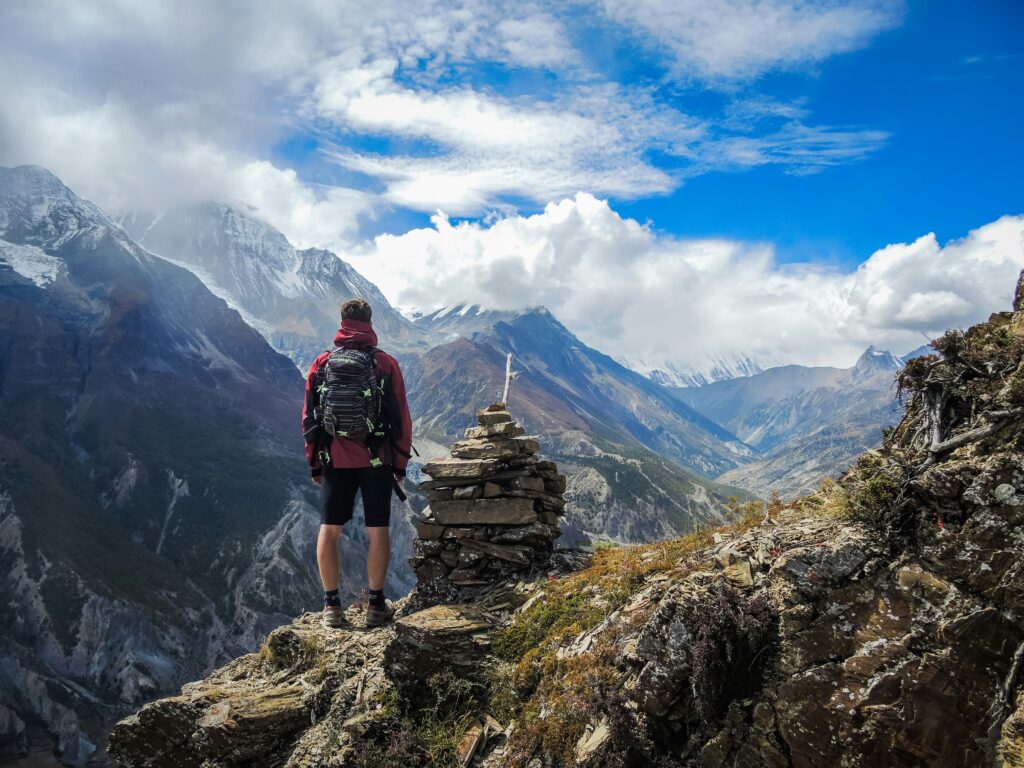
Many people assume that travel requires a large bank account, yet that belief often limits their imagination before their journey even begins. In reality, traveling while broke starts with redefining what travel means to you. Instead of focusing on luxury hotels or expensive tours, you can shift your mindset toward experiences, cultural immersion, and personal growth. By doing so, you begin to see opportunities where others only see financial barriers.
Moreover, when you embrace this perspective, you naturally become more creative and intentional. You start to prioritize meaningful interactions over material comfort, and suddenly, even a simple walk through a new city feels rich and rewarding. As a result, traveling becomes less about spending money and more about collecting stories, which ultimately makes the experience far more valuable.
Mastering the Art of Budget Planning
Although you may not have much money, you still need a clear plan to make your trip work. Budget travel requires discipline, yet it also offers freedom once you understand where your money goes. By tracking your expenses and setting daily spending limits, you can stretch even a small amount of cash over a longer period. At the same time, you learn to distinguish between what you truly need and what you can easily live without.
In addition, planning lets you take advantage of lower prices before they rise. For instance, booking transportation early or choosing less popular travel dates can significantly reduce costs. Consequently, even if your funds are limited, smart timing and careful planning can open doors that once seemed out of reach.
Finding Affordable Transportation Options
Transportation often represents one of the biggest expenses in travel, yet broke travelers consistently find ways to minimize this cost. Instead of relying on direct flights or premium services, they explore alternatives such as budget airlines, overnight buses, or even carpooling. These options may require more flexibility, but they often come at a fraction of the price.
Furthermore, slow travel has become an effective way to save money while enhancing the experience. When you move less frequently and stay longer in one place, you reduce transportation costs and deepen your connection to your surroundings. As a result, you not only save money but also create a more meaningful and immersive journey.
Embracing Free and Low-Cost Accommodation
Accommodation can quickly drain your budget, yet creative travelers know how to find places to stay without overspending. Many rely on hostels, couch-surfing opportunities, or even work-exchange programs that offer lodging in return for a few hours of help each day. These options not only reduce costs but also provide a chance to meet people from around the world.
At the same time, flexibility plays a key role in securing affordable stays. If you remain open to different types of accommodations and locations, you increase your chances of finding great deals. Additionally, staying slightly outside major tourist areas often leads to lower prices and a more authentic experience, which enhances your overall trip without increasing your expenses.
Eating Well Without Overspending
Food represents another area where costs can quickly add up, yet broke travelers learn to eat well without breaking the bank. Instead of dining at expensive restaurants, they explore local markets, street food vendors, and small family-run eateries. These options not only save money but also introduce you to authentic flavors that you might otherwise miss.
Meanwhile, preparing your own meals whenever possible can significantly cut expenses. Even simple choices, such as buying groceries or sharing meals with fellow travelers, can make a noticeable difference over time. As a result, you maintain your budget while still enjoying satisfying and culturally rich dining experiences.
Making the Most of Free Experiences
One of the greatest advantages of traveling on a tight budget is discovering how many incredible experiences cost little to nothing. Many cities offer free walking tours, public museums with discounted or free entry days, and beautiful parks that provide endless opportunities for exploration. By seeking out these options, you can fill your itinerary without draining your wallet.
Additionally, engaging with local communities often leads to memorable experiences that money cannot buy. Whether you attend a community event, join a local gathering, or strike up conversations with residents, you gain insights that go far beyond typical tourist activities. Therefore, your trip becomes richer in meaning even as your spending remains minimal.
Turning Skills Into Travel Opportunities
If you truly have little to no money, you can still travel by leveraging your skills. Many people exchange their talents for accommodation, meals, or even transportation. Whether you teach a language, help with social media, or assist in a small business, your abilities can become your currency on the road.
At the same time, remote work and freelance opportunities have made it easier than ever to earn while traveling. Even small amounts of income can sustain a budget traveler when combined with smart spending habits. Consequently, you transform travel from a one-time expense into an ongoing lifestyle, allowing you to explore the world continuously without large savings.
Building Resilience and Confidence Through Travel
Traveling while broke is not always easy, yet it builds resilience in ways that traditional travel often does not. When you face challenges such as limited funds or unexpected obstacles, you learn to adapt quickly and think creatively. These experiences strengthen your problem-solving skills and increase your confidence in unfamiliar situations.
Furthermore, this style of travel fosters a deeper appreciation for what you have. You begin to value experiences over possessions and connections over convenience. As a result, you return home not only with memories but also with a stronger sense of independence and a broader perspective on life.
Creating a Journey That Matters
Ultimately, traveling without money is not about deprivation; instead, it is about intention and creativity. When you focus on what truly matters, you discover that meaningful travel does not require wealth. It simply requires curiosity, flexibility, and a willingness to step outside your comfort zone.
broke travelers often experience the world more deeply than those who spend freely. Because they rely on resourcefulness and human connection, they uncover stories and moments that others might overlook. Therefore, even with an empty wallet, you can still embark on a journey that is rich in every way that truly counts.