Through the Lens: How Travel Photography Changes the Way You Experience a Place


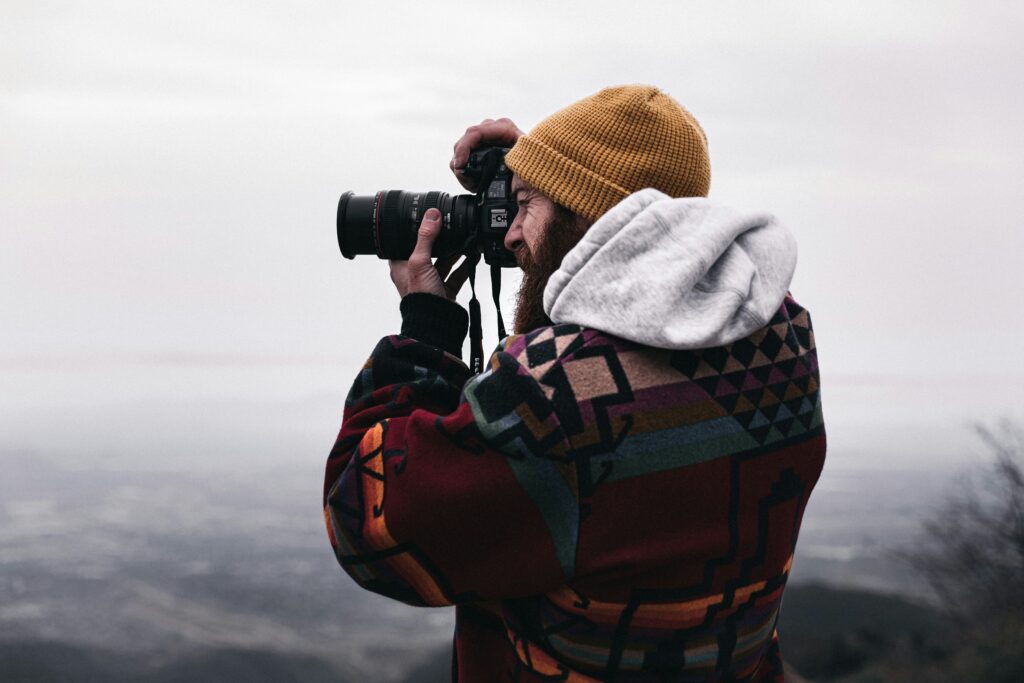
Travel is often about movement, but photography turns it into observation. When you carry a camera, whether it’s a smartphone or a professional setup, you begin to notice details that would otherwise pass you by. As a result, travel photography doesn’t just document a destination—it reshapes how you experience it. It invites you to slow down, look deeper, and connect more meaningfully with your surroundings.
Moreover, photography encourages intentional exploration. Instead of rushing through landmarks, you start seeking light, textures, colors, and human stories. Consequently, your journey becomes richer and more immersive, transforming ordinary moments into lasting impressions.
Seeing Beyond the Obvious
At first glance, most destinations are defined by their famous attractions. However, travel photography pushes you to look beyond postcard views and explore hidden perspectives. For instance, instead of capturing a landmark from a typical angle, you might look for reflections, shadows, or unique framing that tell a different story.
Furthermore, this shift in perspective changes your mindset. You begin to appreciate subtle details like cracked walls, street patterns, or fleeting expressions. As a result, you realize that a destination is more than its highlights—it’s a collection of small, meaningful moments that together create its identity.
Slowing Down the Journey
In many cases, travelers rush from one attraction to another, trying to see everything in a limited time. However, when photography becomes part of your travel routine, you naturally slow down. You pause to wait for the perfect light or observe how a scene unfolds before pressing the shutter.
As a result, this slower pace allows you to absorb your environment more deeply. You notice sounds, smells, and interactions that might otherwise go unnoticed. Consequently, your travel experience becomes less about checking off locations and more about truly being present in each moment.
Building Emotional Connections
Photography also fosters emotional engagement with a destination. When you focus on capturing people, culture, and daily life, you begin to connect with the place on a personal level. For example, photographing a local market may lead to conversations with vendors or shared smiles with strangers.
Moreover, these interactions leave a lasting impact. Instead of feeling like an outsider, you become part of the environment, even if only briefly. Therefore, travel photography transforms your role from passive observer to active participant, deepening your understanding of different cultures.
Enhancing Creativity and Curiosity
Another important benefit of travel photography is the boost it gives to your creativity. As you experiment with composition, lighting, and angles, you develop a more artistic approach to seeing the world. For instance, you might notice symmetry in architecture or contrast in natural landscapes.
Additionally, this creative mindset sparks curiosity. You begin asking questions like, “What makes this place unique?” or “How can I capture its essence?” Consequently, your travels become more engaging and intellectually stimulating, as you constantly seek new ways to interpret your surroundings.
Preserving Memories with Meaning
While anyone can take a quick snapshot, thoughtful travel photography creates meaningful memories. Instead of random pictures, you build a visual narrative of your journey. Each image represents a story, a feeling, or a moment that mattered to you.
Furthermore, these photographs become more valuable over time. When you revisit them, they don’t just remind you of where you went—they bring back how you felt. As a result, your travel memories become more vivid and emotionally rich, making your experiences truly unforgettable.
Changing Your Perspective on Everyday Life
Interestingly, the impact of travel photography doesn’t end when your trip is over. Once you develop the habit of observing details and appreciating beauty, you carry that perspective into your daily life. Even familiar surroundings start to feel more interesting and visually engaging.
In addition, this shift in perception can increase mindfulness and gratitude. You begin to notice small moments of beauty in your routine, just as you did while traveling. Therefore, travel photography not only transforms how you see destinations but also how you experience the world as a whole.
Encouraging Storytelling
Travel photography is more than capturing images—it’s about telling stories. Each photo has the potential to communicate a narrative, whether it’s about culture, history, or personal experience. For example, a single image of a quiet street can evoke emotions and curiosity in viewers.
Moreover, storytelling through photography allows you to share your journey powerfully with others. Instead of simply describing your trip, you can show it through compelling visuals. As a result, your experiences become more relatable and impactful, inspiring others to explore the world in their own way.
Developing Patience and Observation Skills
Finally, travel photography teaches patience and sharpens your observation skills. Great photos often require waiting for the right moment, whether it’s the perfect lighting or a spontaneous human interaction. Consequently, you learn to be more attentive and disciplined.
Additionally, this practice enhances your ability to quickly notice patterns and details. Over time, you become more skilled at anticipating moments worth capturing. Therefore, travel photography not only improves your technical abilities but also strengthens your awareness and focus.
Travel photography transforms the way you see a destination by encouraging deeper observation, emotional connection, and creative expression. It turns travel into an immersive experience where every detail matters. Ultimately, by viewing the world through a lens, you don’t just visit places—you truly understand and appreciate them.