Travel Photography Turns Ordinary Journeys Into Visual Memories


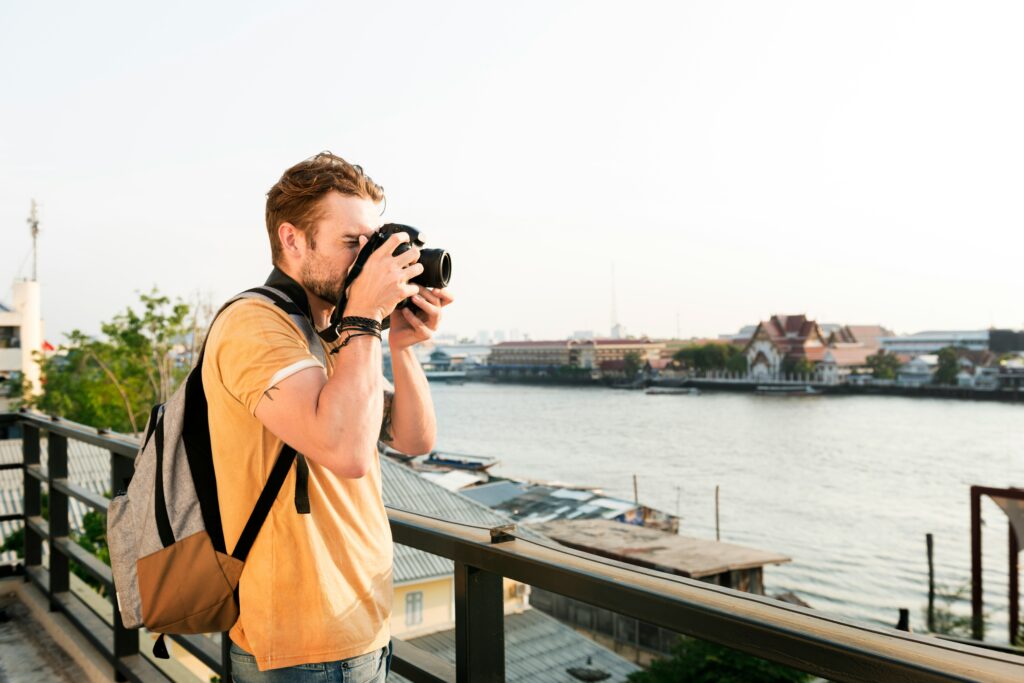
Travel Photography has become one of the most powerful ways to preserve experiences, emotions, and discoveries from around the world. A simple journey can become a collection of meaningful stories when travelers capture unique landscapes, local traditions, personal interactions, and unexpected moments through images.
Instead of allowing memories to fade over time, photographs create lasting reminders of places visited and connections made. Moreover, thoughtful images help people understand different cultures and environments while encouraging curiosity about new destinations. Through creativity, patience, and observation, anyone can transform ordinary trips into memorable visual stories that reflect the true spirit of exploration.
Capturing Emotions Beyond Simple Pictures
Great travel images are not only about beautiful locations because they also represent feelings, experiences, and personal connections. A photograph of a crowded market, a quiet street, or a local celebration can communicate emotions that words may struggle to describe. Therefore, travelers who focus on human moments often create images that feel more authentic and meaningful. These photographs allow viewers to experience the atmosphere of a destination even if they have never visited it themselves.
Additionally, emotional images help travelers remember how they felt during a particular moment. A picture of a sunrise after a long hike, a conversation with a resident, or a peaceful coastal view can bring back powerful memories years later. As a result, photography becomes more than documentation because it becomes a personal collection of stories that represent growth, discovery, and adventure.
Transforming Destinations Into Personal Stories
Every destination has a unique identity shaped by its history, culture, architecture, and natural surroundings. Skilled photographers look beyond famous landmarks and search for details that reveal the character of a place. For example, small details such as traditional clothing, local food, historic buildings, and daily activities can provide deeper insight into a community. Consequently, images become a form of storytelling that shows the personality of each destination.
Furthermore, personal perspectives make travel images different from ordinary tourist photos. Two people can visit the same location and capture completely different stories because each traveler notices different elements. By using creative angles, natural lighting, and thoughtful composition, photographers can highlight details that make their experiences unique and memorable.
Developing Skills for Better Travel Images
Creating impressive travel photos requires more than owning an advanced camera. Instead, understanding lighting, composition, timing, and perspective plays a major role in improving image quality. Beginners can start by learning how natural light changes throughout the day and how different angles influence the feeling of a photograph. Over time, these basic skills help travelers capture stronger and more engaging images.
Moreover, preparation can significantly improve the results of photography during a journey. Researching locations, understanding cultural practices, and planning the best times to visit popular areas can help photographers capture more meaningful moments. Therefore, combining technical knowledge with careful planning allows travelers to create images that represent both beauty and authenticity.
Exploring Culture Through Visual Storytelling
Photography provides a unique opportunity to connect with cultures around the world. Images can preserve traditional practices, local celebrations, regional designs, and everyday routines that may not be familiar to outside audiences. Because of this, travel photos often become valuable records of cultural diversity and human experiences.
In addition, respectful photography creates stronger relationships between travelers and local communities. Asking permission before taking portraits, learning about traditions, and showing appreciation for different lifestyles demonstrate cultural awareness. As a result, photographs become bridges between people rather than simple records of places.
Using Technology to Enhance Creative Expression
Modern technology has made photography more accessible than ever before. Smartphones, editing applications, drones, and digital cameras allow travelers to experiment with different styles and techniques. Additionally, online platforms provide opportunities for photographers to share their experiences with audiences worldwide.
However, technology should support creativity rather than replace personal vision. Although editing tools can improve colors and details, the strongest images usually come from thoughtful observation and storytelling. Therefore, travelers should focus on capturing genuine moments first and use technology as a tool to enhance their creative expression.
Preserving Adventure and Unexpected Moments
Some of the most memorable travel images come from unplanned experiences. A sudden rainstorm, a spontaneous conversation, or a hidden path discovered during exploration can create unforgettable memories. Therefore, travelers should remain open to unexpected opportunities rather than focusing solely on planned attractions.
Likewise, unexpected moments often reveal the true nature of a journey. While famous landmarks may attract attention, small personal experiences frequently create the strongest emotional connections. By carrying a camera or smartphone and staying observant, travelers can capture authentic moments that represent the excitement of exploration.
Creating a Lifetime Collection of Travel Memories
A carefully created photo collection allows travelers to document personal growth and changing perspectives over time. Each image represents a specific moment, location, or emotion that contributes to a larger life story. Therefore, organizing and preserving photographs can help people reflect on their journeys and the lessons gained from exploration.
Meaningful travel images remind people that every journey contains valuable moments worth remembering. Whether exploring a famous city, a remote village, or a natural landscape, photography helps transform temporary experiences into permanent memories. Through creativity and attention to detail, travelers can continue discovering the beauty of the world while preserving the stories behind every adventure.
Building Lasting Connections Through Images
Photographs often become shared memories that connect people across generations. Families, friends, and communities can revisit important journeys through images that preserve meaningful experiences. Because of this, travel photos often hold emotional value long after a trip has ended.
Furthermore, visual memories can inspire others to explore new travel destinations and appreciate different perspectives. A single photograph can encourage curiosity, highlight natural beauty, or introduce viewers to unfamiliar cultures. Consequently, photography creates connections between travelers and audiences by sharing experiences beyond geographical boundaries.