How Leather Thickness Affects Durability and Performance


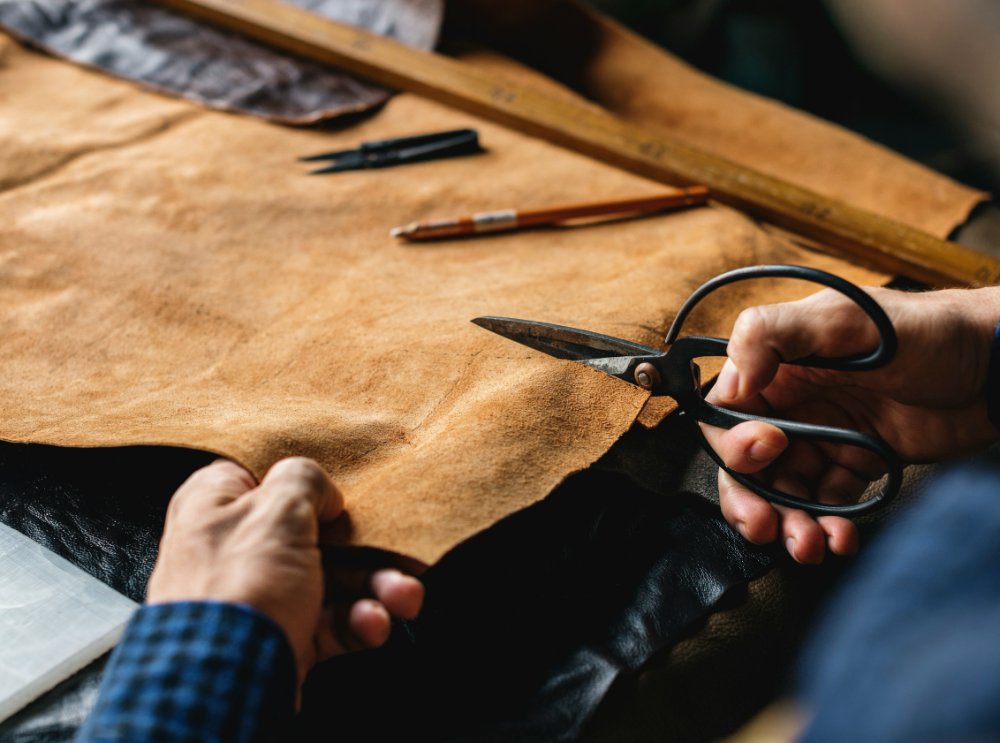
Leather thickness is one of the most important factors to consider when selecting materials for handmade products. It influences how leather bends, carries weight, maintains its shape, and withstands daily wear. Whether you are making belts, wallets, handbags, or furniture, choosing the right thickness can improve the finished product’s appearance and performance.
However, thicker leather doesn’t always mean it’s more durable. Every project requires a different balance of strength, flexibility, and comfort. Understanding how leather thickness affects performance helps craftspeople choose suitable materials, avoid unnecessary costs, and create products that stay functional over time.
Understanding Leather Thickness and Measurement
Leather thickness describes the distance between the outer surface and the underside of a hide. Manufacturers commonly express this measurement in ounces or millimeters. One ounce equals about 1/64 of an inch. For example, leather measuring four ounces is roughly one-sixteenth of an inch thick. These measurements help buyers understand how different materials may perform.
Natural hides do not always maintain uniform thickness across their surface. Some sections contain thicker fibers, while others are naturally thinner. Leather suppliers may adjust these differences through specialized processing. Checking the actual thickness range before purchasing helps craftspeople select materials that meet their project requirements and avoid unexpected difficulties during construction.
How Leather Thickness Influences Material Strength
Thickness contributes to leather strength because heavier materials generally contain more fiber structure to resist pulling and stretching. Products that experience repeated tension often benefit from thicker leather. Belts, carrying straps, and protective covers need enough material to support regular use without losing their shape or developing weak areas.
Still, thickness represents only one part of durability. Hide quality, the tanning process, and fiber structure also affect performance. A well-made piece of medium-weight leather may outperform a thicker material with poor structural quality. Evaluating thickness alongside overall leather quality helps ensure that the selected material provides dependable strength.
The Connection Between Thickness and Flexibility
Flexibility determines how easily leather bends, folds, and moves. Thinner leather usually offers greater flexibility because less material resists bending. This makes lightweight leather suitable for wallets, clothing, and accessories that move frequently. Flexible materials also make certain construction techniques easier, particularly when designs include tight corners or folded sections.
Thicker leather generally resists bending more, which can benefit products that need a firm structure. However, excessive stiffness may reduce comfort and make certain designs difficult to use. Choosing the right thickness lets leather products maintain their intended shape while still offering enough flexibility for everyday use.
Choosing Suitable Thickness for Different Leather Goods
Every leather product has unique performance requirements. Wallet interiors often use leather measuring approximately two to three ounces because thin materials fold neatly without creating unnecessary bulk. Sturdy belts often require thicker leather, sometimes around eight to ten ounces, for sufficient support. These measurements can vary depending on leather type and product construction.
Handbags may require several thicknesses within a single design. Flexible leather works well for body panels, while stronger materials provide support for handles and straps. Furniture upholstery also needs an appropriate balance between flexibility and resistance to stretching. Matching thickness to each component helps improve functionality without adding unnecessary weight.
How Thickness Affects Resistance to Everyday Wear
Leather products experience friction, pressure, and repeated movement during normal use. The right thickness helps distribute these forces across the material and reduces strain on vulnerable areas. Thicker leather can provide additional support where products experience considerable tension, especially around carrying handles, straps, and other frequently used components.
However, extremely thick leather may develop pronounced creases when repeatedly folded in the same location. Thin leather can also stretch or weaken under loads beyond its intended capacity. Selecting material according to expected movement and pressure helps prevent premature damage and supports consistent performance throughout the product’s lifespan.
The Role of Thickness in Cutting and Stitching
Leather thickness directly influences how easily craftspeople cut, stitch, and assemble their projects. Thin leather generally requires less cutting force and folds more easily around detailed shapes. It can also create smoother seams when multiple pieces overlap. These advantages make lightweight materials useful for intricate accessories and smaller handmade products.
Heavy leather requires stronger tools and more careful preparation. Thick layers can complicate stitching and create bulky seams if craftspeople don’t plan construction properly. Some projects benefit from carefully thinning selected edges before assembly. Choosing a manageable thickness improves accuracy, reduces material waste, and produces cleaner finished details.
Balancing Leather Weight With Comfort and Function
Thicker leather usually increases a finished product’s overall weight. This can benefit structured accessories that need firmness, but unnecessary weight may reduce comfort. For example, a heavy handbag can become inconvenient to carry for extended periods. Designers must consider how material weight affects practical use rather than focusing entirely on strength.
Wearable accessories also depend on appropriate thickness. Watch straps, belts, and footwear components need enough flexibility to accommodate body movement. Excessively thick materials may create pressure or restrict natural bending. Selecting balanced leather thickness helps products feel comfortable while maintaining the support needed for regular use.