Beyond the Basics: Leveling Up Your Leathercraft Skills


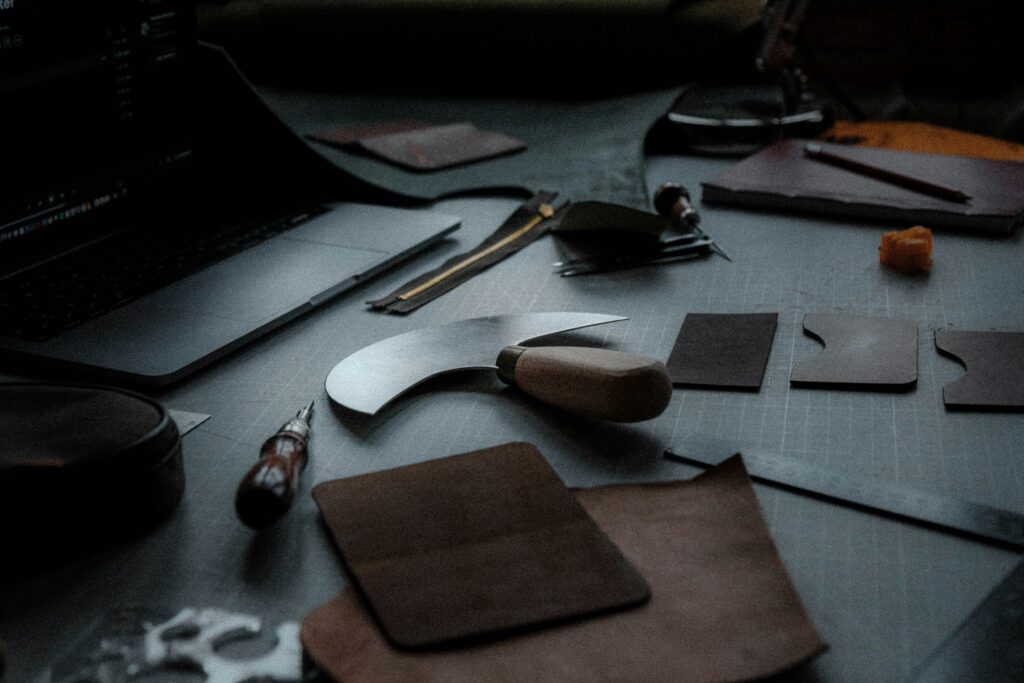
Leathercraft is an art that combines creativity, skill, and patience. Once you master the basics, it is natural to want to take your work to the next level. Leveling up your leathercraft skills allows you to create more intricate, professional-looking projects and enjoy the process even more. This guide will explore practical techniques, tools, and approaches to help you advance beyond beginner projects while keeping your workflow smooth and efficient.
Mastering Advanced Cutting and Shaping Techniques
Cutting and shaping leather precisely is fundamental for advanced projects. Beginners often rely on simple straight cuts, but more skilled leathercrafters learn to create curves, beveled edges, and decorative shapes. Using sharp utility knives, rotary cutters, or precision knives ensures clean cuts, and practicing consistently helps you improve accuracy. Additionally, cutting templates can guide your designs while maintaining consistency across multiple pieces.
Shaping leather also plays a crucial role in sophisticated projects. Wet-forming and molding techniques allow leather to take custom shapes, creating unique bags, belts, or accessories. Soaking leather lightly before shaping it and using forms or molds ensures smooth, professional results. Patience is key, and allowing pieces to dry fully preserves the intended shape.
Enhancing Stitching Skills
Stitching is a skill that separates good leathercraft from great leathercraft. Moving beyond basic running stitches, you can experiment with saddle stitching, decorative stitching patterns, and edge stitching. Saddle stitching is stronger than machine stitching and adds a handcrafted look to your pieces. Learning to maintain even spacing and consistent tension improves both appearance and durability.
Using high-quality threads and appropriate needles also affects your results. Waxed threads slide smoothly through leather and resist fraying. Pairing thread thickness with the leather type ensures a balanced, polished finish. Practicing freehand or guided stitching projects builds muscle memory and confidence for more complex designs.
Exploring Tool Techniques and Embellishments
Advanced leathercraft involves more than stitching and cutting. Tooling, stamping, and carving add artistic flair to your projects. Learning to create textures, patterns, or images on leather allows you to customize each piece and develop a signature style. Experimenting with different stamping tools and hammering techniques can achieve varied depths and visual effects.
Edge finishing is another area that elevates your work. Beveled edges, burnishing, and painting edges give your leather pieces a clean, professional appearance. Smooth edges also improve durability and comfort, especially on wearable items like belts or wallets. Using tools like edge slickers, sandpaper, and gum tragacanth can make a noticeable difference.
Advanced Finishing and Conditioning
Finishing and conditioning leather ensures it looks professional and lasts longer. Beyond basic cleaning, you can explore layering finishes, applying dyes evenly, and using specialty waxes or oils. Even coloring leather with multiple shades creates depth and enhances the visual appeal of your projects. Conditioning regularly keeps leather supple, prevents cracking, and maintains color vibrancy.
Practicing these finishing techniques on scrap leather helps you experiment without risking your main projects. Gradually, you will develop an intuitive understanding of how different finishes react to leather types and environmental factors.
Expanding Your Project Complexity
Once you feel comfortable with advanced techniques, try more complex projects. Multi-piece bags, detailed wallets, and custom accessories challenge your skills and encourage creative problem-solving. Planning projects in stages, using sketches or mock-ups, and breaking tasks into manageable steps prevents mistakes and reduces frustration.
Incorporating hardware such as buckles, snaps, or rivets adds another layer of professional polish. Understanding the correct installation methods ensures functionality and longevity. With practice, you will confidently combine various techniques into cohesive, sophisticated leather pieces.
Joining Communities and Learning Continuously
Leveling up your leathercraft skills also involves learning from others. Joining local or online leathercraft communities exposes you to new techniques, tips, and trends. Workshops and classes offer hands-on experience that accelerates skill development. Observing other crafters’ work and receiving feedback helps refine your own projects.
Continuous learning is part of becoming a master leathercrafter. Even experienced artisans explore new tools, materials, and styles to stay inspired. Treat each project as a chance to experiment and improve rather than just complete a finished item.
Experimenting with different types of leather is another way to level up your skills. Vegetable-tanned leather, chrome-tanned leather, and exotic hides each respond differently to cutting, dyeing, and finishing. By working with various types, you learn how to adjust your techniques for texture, thickness, and flexibility. This experimentation also sparks creativity, allowing you to design pieces that highlight the unique qualities of each leather type while improving your overall craftsmanship.
Maintaining Patience and Practice
Finally, advancing in leathercraft requires patience and consistent practice. Complex techniques take time to master, and mistakes are part of the learning process. Documenting your progress, noting challenges, and celebrating improvements keep you motivated. Regular practice on small projects reinforces skills that can be applied to larger, more intricate work.
By embracing patience, curiosity, and experimentation, you will notice steady growth in your leathercraft abilities. Each new technique you master adds to your creative toolkit, allowing you to produce projects that look professional and feel uniquely yours.
Going beyond the basics in leathercraft is about developing precision, creativity, and confidence. Mastering cutting, stitching, tooling, finishing, and complex project planning helps you produce professional-quality items. Combining consistent practice, community learning, and patience ensures continuous improvement. As you level up your leathercraft skills, your projects will not only function well but also carry a personal, artistic signature that stands out.