The Art of Leatherworking: Why Every Detail Matters


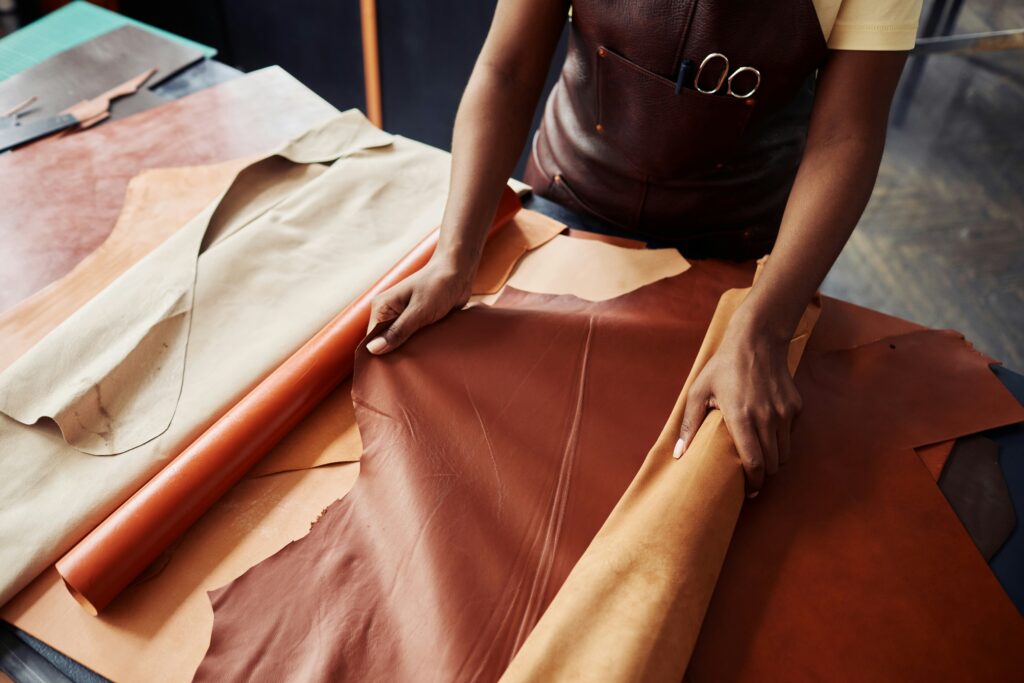
Leatherworking is more than a craft; it is an art that combines creativity, patience, and skill. From handmade wallets and belts to elegant bags and durable accessories, leather products reflect their makers’ dedication. Every cut, stitch, and finished edge contributes to the overall quality of the final piece. One of the most important parts of successful leatherworking is attention to detail. Even the smallest imperfections can affect a leather product’s appearance, strength, and usefulness. By focusing on precision and careful artistry, leatherworkers can transform simple materials into beautiful and lasting creations.
Understanding the Beauty of Leatherworking
Leatherworking has a long history that connects traditional craftsmanship with modern design. For generations, skilled artisans have used leather to create practical items that are both attractive and durable. Although tools and techniques have improved over time, the basic principles of quality craftsmanship remain the same.
Working with leather requires an understanding of its natural characteristics. Different types of leather have unique textures, thicknesses, colors, and levels of flexibility. Some materials suit soft accessories, while others are better for products that require strength and structure. Choosing the right leather for each project is an important step toward achieving excellent results.
Why Attention to Detail Makes a Difference
Attention to detail separates ordinary leather products from well-crafted pieces. A small mistake in measuring, cutting, or stitching can change the appearance and functionality of an entire project. Careful leatherworkers understand that every stage of the process deserves equal attention.
Accurate measurements help ensure that each component fits together properly. Clean cuts create smooth edges and consistent shapes, while evenly spaced stitches improve both durability and appearance. These details may seem minor, but they play a major role in the finished product.
Taking time to inspect each part also helps prevent unnecessary mistakes. Rather than rushing through a project, experienced artisans work carefully and make adjustments whenever needed. This approach leads to better results and reduces material waste.
Choosing the Right Tools and Materials
Quality leatherworking starts with the right tools and materials. Basic equipment includes cutting knives, rulers, stitching needles, thread, hole punches, and edge finishing tools. Each tool has a specific purpose, and using the correct equipment makes the process easier and more accurate.
Leather quality also influences the outcome. Natural leather often contains variations in grain, texture, and color. Learning how to work with these characteristics allows artisans to create products that highlight the material’s natural beauty.
Properly maintaining tools is equally important. Sharp cutting blades produce cleaner edges, while reliable stitching tools help create consistent results. Keeping equipment clean and organized supports an efficient, professional workspace.
Developing Patience Through Handmade Craftsmanship
Leatherworking teaches an important lesson about patience. Unlike mass-produced items, handmade leather goods require time and careful attention at every stage. From preparing the leather to completing the final polish, each step contributes to the overall quality.
Beginners may find certain techniques challenging, especially when learning to create straight stitches or smooth edges. However, regular practice builds confidence and improves accuracy. Mistakes should be viewed as learning opportunities rather than reasons to give up.
Patience also encourages creativity. When artisans have enough time to explore different techniques, they can experiment with patterns, colors, textures, and decorative details. This freedom helps them develop a personal style while maintaining high standards.
The Importance of Proper Finishing Techniques
Finishing is one of the most noticeable aspects of leather craftsmanship. Smooth edges, clean stitching, and an even surface give leather products a polished appearance. Proper finishing can also protect the material and improve its long-term durability.
Edge burnishing, conditioning, and careful polishing are common techniques used to improve the final appearance. These processes require a steady hand and consistent effort. Applying too much pressure or using unsuitable products can affect the leather’s natural texture.
A thorough final inspection is also essential. Checking seams, edges, hardware, and surface details helps identify small problems before the product is considered complete.
Creating Lasting Value Through Quality Work
Well-made leather goods offer value beyond their appearance. Durable construction, thoughtful design, and quality materials help products stay useful for many years. Unlike disposable accessories, carefully crafted leather items can develop a unique character as they age.
Attention to detail also builds customer trust. People appreciate products that demonstrate care, reliability, and professional artistry. For leatherworkers, maintaining consistent quality can strengthen their reputation and create opportunities for long-term success.
Keeping Traditional Leatherworking Skills Alive
Modern technology has introduced new tools and production methods, but traditional leatherworking skills remain valuable. Hand stitching, precise cutting, and careful finishing continue to give handmade products their distinctive character.
By combining traditional techniques with modern creativity, leatherworkers can produce items that meet today’s needs while preserving the beauty of an established craft. Ultimately, the art of leatherworking depends on patience, practice, and a commitment to excellence. Every carefully completed detail adds meaning, quality, and lasting value to the finished creation.